
Blepharoplasty/Eyelid Surgery in Memphis
Many people develop the “tired-eyes” look because of age or heredity. Most people refer to this condition as undereye bags or saggy, drooping, or puffy eyelids. Excess skin and bulges of the upper or lower eyelids can cause a person to look tired, angry, and older. Dr. Langsdon can correct “tired-eyes” with eyelid surgery in Memphis, TN.
The medical term for the procedure that will improve puffy eyelids, droopy eyelids, eye bags or baggy eyelids is blepharoplasty. Laypeople call this procedure eyelid surgery, an eye lift, an eyelid lift, cosmetic eyelid surgery, surgery, or treatment for puffy eyelids.
Dr. Langsdon performs blepharoplasty in Germantown, Tennessee, to make the eyelids look more youthful under local and/or twilight anesthesia, in which the patient does not require gas anesthesia in the hospital. In our clinic, the patient usually has no sensation or awareness during the blepharoplasty procedure. In fact, most of our patients tell us that blepharoplasty is a painless process, and that they have no pain after the procedure.
Blepharoplasty (Eyelid Lift) Videos

7:13

0:37

Schedule Your Facial Plastic Surgery Consultation
Board-certified facial plastic surgeon Dr. Phillip R. Langsdon is the only surgeon in the Mid-South whose practice is limited to and specialized in cosmetic surgery of the face, nose, eyes, head, and neck. A former President of the American Academy of Facial Plastic and Reconstructive Surgery, Dr. Langsdon has earned unprecedented recognition and praise as one of the best facelift and rhinoplasty plastic surgeons in America.
He is joined by Dr. Sarah E. Langsdon who completed a six year integrated plastic surgery residency at the University of Missouri and an additional fellowship specializing in facial aesthetic surgery.
What Additional Treatments Can Be Combined with Blepharoplasty?
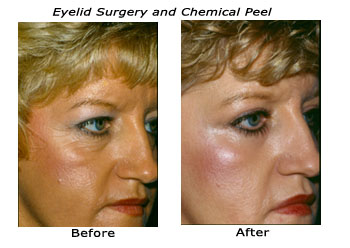
A blepharoplasty cannot eliminate fine lines or wrinkles. Further rejuvenation of the eyes may require neuromodulators, such as Botox® and skin creams like the FaceMD™ skin care system, laser treatments or chemical peels. As we age, the skin thins so much that the removal of wrinkles around the lids becomes difficult. This problem is due to the lack of skin thickness, elasticity, or hydration left in the skin.
Age causes a groove to develop below the lower eyelid puffy region near where the eyelid skin abuts the upper cheek skin. This area, located just over the lower eyelid bone, can become sunken in. Doctors call this area the tear trough, nasojugal groove, or the lid-cheek groove or deformity. You might also hear people refer to it as sunken eyes, tired eyes, or dark circles. Dr. Langsdon can improve this area with “tear trough” injections of facial filler, in addition to a blepharoplasty. See our section on tear trough injections. Tear Trough fillers can raise the deep groove under the lower eyelid and improve the dark circles or shadowing below the lower eyelids.
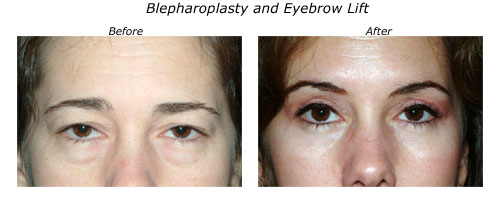
Sometimes, drooping eyebrows can contribute to the excess upper eyelid skin, which may improve with a brow lift.
Contact us today by phone or e-mail for a consultation!
Eyelid Surgery Before and After Photos
Memphis Eyelid Surgery FAQ's
The changes to improve the appearance of your eyes with eyelid surgery are permanent, and the excess fat will not come back. However, a blepharoplasty will not halt the normal aging process. Most patients never need another surgery, but some return for a minor touch-up after 10 or 15 years.
Drooping upper eyelids can be the result of excess skin and fat in the eyelids or of sagging eyebrows that push the skin above the eyes down. To get a sense of this, look in the mirror and, with your fingers, gently lift your eyebrows to an attractive position. If this corrects your drooping upper eyelids, a brow lift may be what you need. In your consultation with Dr. Langsdon, he will examine you and explain which procedure will make the change you’re looking for. In some cases, both are necessary.
While recovery from eyelid surgery is relatively brief, you should plan to rest for two or three days while the incisions heal and the initial swelling goes down. After that, you can return to work and activities that don’t involve much physical exertion. Your eyes may look a little puffy for the first week or two, until most of the swelling disappears. After a week or so, you can hide any residual swelling or discoloration with makeup. Your eyes will continue to look even better over time, until you see the final results between three and six months after surgery.
If drooping eyelids are interfering with your vision by restricting your field of view, your insurance provider may deem blepharoplasty a medically necessary procedure. When you have eyelid surgery for purely cosmetic reasons — to approve your appearance — insurance doesn’t cover it. If this is a concern for you, Dr. Langsdon can review the cost and payment options as part of your consultation.
There is no single “best age” for upper or lower eyelid surgery, as the need for blepharoplasty varies based on genetics, lifestyle, and aging patterns. Most patients seeking cosmetic eyelid surgery in Memphis are between 35 and 65 years old. Younger patients may require blepharoplasty if they have hereditary puffy eyelids or under-eye bags, while older patients often seek the procedure to address drooping eyelids and excess skin. Dr. Langsdon evaluates each patient individually during a consultation at our Germantown, TN office to determine if you’re a good candidate for eyelid lift surgery. Whether you’re dealing with tired-looking eyes from aging or genetic factors, blepharoplasty can provide natural, long-lasting results.
Blepharoplasty (eyelid surgery) can significantly improve the appearance of dark circles, particularly when they’re caused by under-eye bags, puffiness, or shadows from excess skin. However, dark circles caused by pigmentation issues or very thin skin may not be fully resolved with eyelid surgery alone. Dr. Langsdon often combines lower blepharoplasty with tear trough filler injections to address the nasojugal groove (NJG) and create a smoother transition between the lower eyelid and cheek. During your consultation in Germantown, TN, Dr. Langsdon will assess the underlying cause of your dark circles and recommend the best treatment plan, which may include cosmetic eyelid surgery, dermal fillers, laser treatments, or chemical peels for optimal results.
Upper blepharoplasty focuses on removing excess skin and fat from the upper eyelids that can cause hooding, drooping, or a heavy-looking brow. This procedure can improve vision if droopy eyelids obstruct your field of view. Lower eyelid surgery (lower blepharoplasty) addresses under-eye bags, puffiness, and excess skin below the eyes. Dr. Langsdon performs both upper and lower eyelid surgery at our ambulatory surgery center in Germantown, Tennessee. Many patients choose to have both procedures done simultaneously for complete eye rejuvenation. The incisions for upper eyelid surgery are hidden in the natural crease of the eyelid, while lower blepharoplasty incisions are typically placed just below the lash line or inside the eyelid (transconjunctival approach). Both procedures result in minimal visible scarring and create a more youthful, refreshed appearance.
Most patients report that blepharoplasty is not a painful procedure. Dr. Langsdon performs eyelid surgery under local anesthesia with twilight sedation at our state-of-the-art surgical facility in Germantown, TN, so patients experience no sensation or awareness during the procedure. After surgery, mild discomfort, tightness, or sensitivity around the eyes is normal and can be managed with prescribed pain medication, though many patients find over-the-counter pain relievers sufficient. Swelling and bruising are common in the first week and typically resolve within 10 to 14 days. Using cold compresses and keeping your head elevated can help minimize swelling. Most patients return to work and light activities within approximately 7 to 10 days after eyelid surgery. Strenuous exercise should be avoided for about 2 to 3 weeks. Dr. Langsdon provides detailed post-operative instructions to ensure smooth recovery and optimal results from your eyelid lift.
Yes! Blepharoplasty is frequently combined with other facial rejuvenation procedures for more comprehensive results. Common combinations include:
- Blepharoplasty and brow lift: Addresses drooping eyebrows and upper eyelid hooding simultaneously
- Blepharoplasty and facelift: Provides complete facial rejuvenation by addressing the mid-face, jowls, and neck in addition to the eyes
- Blepharoplasty and Botox/fillers: Reduces wrinkles around the eyes and fills hollow areas for complete eye rejuvenation
- Blepharoplasty and laser resurfacing or chemical peel: Improves skin texture, fine lines, and pigmentation around the eyes