
Blepharoplasty/Eyelid Surgery in Memphis
Many people develop the “tired eyes” look due to age or genetics. This condition is often referred to as under-eye bags or saggy, drooping, or puffy eyelids. Excess skin and bulges in the upper or lower eyelids can make a person look tired, angry, and older. Here at The Langsdon Clinic, our surgeons can help correct these concerns with eyelid surgery in Memphis, TN.
Blepharoplasty, commonly called eyelid surgery, an eyelid lift, or an eye lift, is a cosmetic procedure that improves excess skin and fullness around the upper and lower eyelids. Depending on the patient’s concerns, surgery may address drooping upper lids, puffy lower lids, under-eye bags, or a combination of these changes.
At The Langsdon Clinic in Germantown, Dr. Phillip R. Langsdon and Dr. Sarah E. Langsdon perform blepharoplasty with an emphasis on natural facial balance and preserving the character of the eyes. Dr. Phillip Langsdon is an award-winning facial plastic surgeon who has devoted his career to facial plastic surgery, while Dr. Sarah Langsdon completed a six-year integrated plastic surgery residency followed by additional fellowship training in facial aesthetic surgery.
Together, they bring extensive facial surgery experience to patients seeking eyelid rejuvenation in Memphis, Germantown, and beyond.
Contact The Langsdon Clinic or call (901) 755-6465 to schedule an eyelid surgery consultation.
Blepharoplasty (Eyelid Lift) Videos

7:13

0:37

Schedule Your Facial Plastic Surgery Consultation
Board-certified facial plastic surgeon Dr. Phillip R. Langsdon is the only surgeon in the Mid-South whose practice is limited to and specialized in cosmetic surgery of the face, nose, eyes, head, and neck. A former President of the American Academy of Facial Plastic and Reconstructive Surgery, Dr. Langsdon has earned unprecedented recognition and praise as one of the best facelift and rhinoplasty plastic surgeons in America.
He is joined by Dr. Sarah E. Langsdon who completed a six year integrated plastic surgery residency at the University of Missouri and an additional fellowship specializing in facial aesthetic surgery.
Quick Links:
- What Is Blepharoplasty?
- What Does Upper Eyelid Surgery Treat?
- What Does Lower Eyelid Surgery Treat?
- What Causes Puffy or Drooping Eyelids?
- Who Is a Good Candidate for Blepharoplasty?
- What Happens During Blepharoplasty Surgery?
- Is Blepharoplasty Painful?
- What Is Recovery Like After Eyelid Surgery?
- Will Blepharoplasty Get Rid of Under-Eye Bags?
- Can Blepharoplasty Fix Dark Circles Under the Eyes?
- What Is the Tear Trough?
- Do I Need Blepharoplasty or a Brow Lift?
- Can Blepharoplasty Remove Fine Lines and Wrinkles?
- What Results Can I Expect from Blepharoplasty?
- How Long Do Blepharoplasty Results Last?
- Why Choose The Langsdon Clinic for Eyelid Surgery?
- Blepharoplasty Before and After Photos
- Schedule a Private Blepharoplasty Consultation in Memphis
- Memphis Eyelid Surgery FAQs
What Is Blepharoplasty?
Blepharoplasty is surgery performed to improve aging or unwanted changes of the upper eyelids, lower eyelids, or both.
Patients often describe these concerns as:
- Droopy eyelids
- Sagging eyelid skin
- Puffy eyelids
- Under-eye bags
- Baggy eyelids
- Tired-looking eyes
- Heavy upper eyelids
The procedure is designed to improve these areas without changing the natural identity of the eyes.
Blepharoplasty does not treat every sign of aging around the eyes. Fine lines, wrinkles, skin texture, brow descent, and hollowing beneath the lower lids may require additional or different treatments.
What Does Upper Eyelid Surgery Treat?
Upper blepharoplasty is used when excess skin or fullness makes the upper eyelids look heavy, droopy, or aged.
For some patients, loose upper-eyelid skin becomes more noticeable with age or due to genetics. It may create a tired appearance or obscure the natural eyelid contour.
Upper eyelid surgery removes or repositions the tissues that contribute to that heaviness while maintaining a natural relationship between the eyelid, brow, and surrounding face.
Brow position also matters. In some patients, what appears to be excess upper-eyelid skin is partly caused by a descending eyebrow. When this is the case, a brow lift may be recommended instead of, or together with, blepharoplasty.
What Does Lower Eyelid Surgery Treat?
Lower blepharoplasty is commonly performed for puffiness and bags beneath the eyes.
Age and heredity can cause fullness below the lower eyelids, while changes in the surrounding skin and tissues can make the transition between the eyelid and upper cheek more noticeable.
Lower eyelid surgery can improve the appearance of under-eye bags and create a smoother, more rested appearance.
It is important to distinguish true lower-eyelid bags from hollowness or a tear trough beneath the eye since those concerns may require a different treatment.
What Causes Puffy or Drooping Eyelids?
Aging is one of the most common causes, but genetics also play a major role.
Some patients develop under-eye bags or heavy upper eyelids relatively early because of inherited facial anatomy. Others gradually notice these changes as the skin becomes thinner and less elastic with age.
Changes around the eyes can involve several different structures, including:
- Eyelid skin
- Underlying fat
- Brow position
- The transition between the lower eyelid and cheek
- Skin thickness and elasticity
Because different problems can create a similar tired appearance, the first step is determining which structures are actually responsible.
Who Is a Good Candidate for Blepharoplasty?
Blepharoplasty may be appropriate for healthy adults who are bothered by excess upper-eyelid skin, lower-eyelid bags, puffiness, or other age-related changes around the eyes.
Good candidates generally have realistic expectations and understand what eyelid surgery can and cannot improve.
Blepharoplasty may be particularly helpful if:
- Upper eyelid skin appears loose or heavy
- The upper eyelid crease has become less visible
- Under-eye bags create a persistently tired appearance
- Lower eyelid fullness makes the eyes look puffy
- Aging around the eyelids looks out of balance with the rest of the face
- Hereditary eyelid characteristics have become a longstanding cosmetic concern
A consultation is important because brow descent, tear trough hollowing, skin quality, and other facial changes may influence the treatment plan.
What Happens During Blepharoplasty Surgery?
Blepharoplasty at The Langsdon Clinic is performed in Germantown using an anesthetic approach selected for the individual patient.
Drs. Phillip and Sarah Langsdon may perform eyelid surgery using local anesthesia, twilight sedation, or both. With twilight anesthesia, patients do not require hospital-based gas anesthesia and typically have little or no awareness of the procedure.
Many patients at The Langsdon Clinic describe blepharoplasty as a comfortable experience and report little pain afterward.
The exact surgical approach depends on whether the upper lids, lower lids, or both are being treated and on the specific tissues contributing to the patient’s concerns. Depending on the anatomy and treatment plan, surgery may involve:
- Removing excess upper-eyelid skin
- Reducing or repositioning bulging fat
- Refining lower-eyelid fullness or bags
- Repositioning tissue to create a smoother lid-cheek transition
- Placing incisions within natural eyelid creases or other discreet locations
- Treating the upper and lower eyelids during the same procedure when appropriate
Is Blepharoplasty Painful?
Most patients at The Langsdon Clinic report little to no discomfort during or after blepharoplasty.
Local anesthesia, twilight sedation, or a combination can be used so that patients remain comfortable during the procedure. With twilight sedation, patients generally have little or no awareness of the surgery.
Some tenderness, swelling, tightness, or bruising can occur during the early recovery period, but significant pain is not typical for most patients.
What Is Recovery Like After Eyelid Surgery?
Recovery depends on whether the upper eyelids, lower eyelids, or both are treated, as well as the extent of the procedure. A typical recovery may look something like this:
- First few days: Swelling and bruising are usually most noticeable. Patients should rest, keep activity light, and follow their surgeon’s instructions for eye care and medications.
- Around one week: Bruising and swelling are generally improving, and many patients begin feeling more comfortable returning to work and normal daily activities.
- Two to three weeks: Most visible swelling and discoloration have continued to fade, although some residual puffiness may remain.
- Following weeks and months: The eyelids continue to settle, incision lines gradually soften and fade, and the final contour becomes more apparent.
Healing varies from patient to patient, so Dr. Phillip Langsdon or Dr. Sarah Langsdon provides individualized guidance on exercise, work, eye care, and other activities during recovery.
Will Blepharoplasty Get Rid of Under-Eye Bags?
Blepharoplasty can improve true under-eye bags caused by fullness or bulging tissues of the lower eyelid.
However, not every dark or tired-looking area beneath the eyes is caused by an eyelid bag.
Some patients have a groove beneath the lower eyelid where the eyelid meets the upper cheek. This is commonly called the tear trough, nasojugal groove, or lid-cheek groove.
When the tear trough is the main concern, eyelid surgery alone may not provide the desired improvement.
Can Blepharoplasty Fix Dark Circles Under the Eyes?
It depends on what is causing the dark appearance. Under-eye shadows may result from lower-eyelid bags, skin characteristics, pigmentation, or hollowing along the tear trough.
When a deep tear trough creates shadowing beneath the eyes, tear trough filler may sometimes be used to improve the transition between the lower eyelid and cheek.
Blepharoplasty may improve shadows created by lower-eyelid fullness, but it does not eliminate every cause of dark circles.
What Is the Tear Trough?
The tear trough is the groove that can develop where the lower eyelid meets the upper cheek.
It is also called the:
- Nasojugal groove
- Lid-cheek groove
- Lid-cheek deformity
As facial tissues change with age, this area can become more hollow and create a shadow beneath the eye. Patients may describe this as having dark circles, sunken eyes, or a tired appearance.
At The Langsdon Clinic, tear trough filler may sometimes be used to raise this depression and improve the shadow beneath the lower eyelid.
Whether filler, blepharoplasty, or another treatment is appropriate depends on the anatomy creating the concern.
Do I Need Blepharoplasty or a Brow Lift?
Upper eyelid heaviness is not always caused entirely by the eyelid.
A descending brow can push additional tissue downward over the upper lid, creating the appearance of excess eyelid skin.
For this reason, brow position should be evaluated before upper eyelid surgery.
Some patients primarily need blepharoplasty. Others may benefit more from a brow lift, while certain patients may benefit from addressing both areas.
Treating the actual source of the heaviness helps create a more balanced result.
Can Blepharoplasty Remove Fine Lines and Wrinkles?
Blepharoplasty is not designed to remove every fine line or wrinkle around the eyes.
As skin ages, it becomes thinner and loses elasticity and hydration. Surgery can remove or reposition specific eyelid tissues, but it cannot restore youthful skin quality by itself.
Patients who want additional improvement in wrinkles, texture, or skin quality may benefit from treatments such as:
These treatments address different aspects of aging and may complement the structural changes achieved through eyelid surgery.
What Results Can I Expect from Blepharoplasty?
Blepharoplasty is intended to create a more rested and youthful appearance without making the eyes look unusually tight or dramatically different.
- Upper eyelid surgery may reveal a cleaner eyelid contour and reduce heaviness.
- Lower eyelid surgery may reduce puffiness or bags beneath the eyes.
A successful result should still look like the patient, simply with less of the excess skin or fullness that made the eyes appear tired or aged.
Healing continues over time, and the final result becomes clearer as swelling resolves and the tissues settle.
How Long Do Blepharoplasty Results Last?
The structural changes made during eyelid surgery are long-lasting. Excess fat that is removed does not simply grow back, although blepharoplasty cannot stop the natural aging process.
Most patients do not require another eyelid surgery. Some may choose a smaller touch-up after 10 or 15 years as aging continues. Skin quality, genetics, sun exposure, lifestyle, and changes in surrounding facial tissues can all influence how the eye area ages after surgery.
Why Choose The Langsdon Clinic for Eyelid Surgery?
Phillip R. Langsdon, M.D.
Dr. Phillip R. Langsdon is a board-certified facial plastic surgeon whose career has been focused on cosmetic surgery of the face, nose, eyes, head, and neck.
He served as president of the American Academy of Facial Plastic and Reconstructive Surgery in 2018–2019 and has spent decades involved in facial aesthetic surgery, medical education, and physician training.
That facial specialization is particularly relevant to blepharoplasty because successful eyelid rejuvenation depends on understanding how the eyelids relate to the brows, cheeks, skin, and overall facial structure.
Sarah E. Langsdon, M.D.
Dr. Sarah E. Langsdon brings advanced training in both plastic surgery and facial aesthetics to The Langsdon Clinic.
She completed a six-year integrated plastic surgery residency at the University of Missouri followed by an additional yearlong fellowship specializing in facial aesthetic surgery.
Her training includes facial rejuvenation procedures such as blepharoplasty, and her approach emphasizes careful surgical planning, natural proportions, and results tailored to the individual patient.
Together, Drs. Phillip and Sarah Langsdon provide eyelid surgery patients with a facially focused approach that considers not only the eyelids themselves but also how changes around the eyes affect the rest of the face.
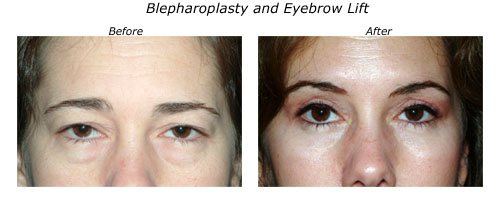
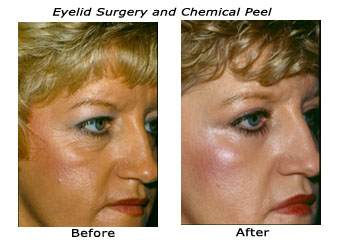
Blepharoplasty Before and After Photos
Before-and-after photographs can help patients understand the types of changes eyelid surgery may achieve.
The Langsdon Clinic’s photo gallery includes real patient results from blepharoplasty and other facial plastic surgery procedures.
Individual results vary, and photographs should be used as examples rather than guarantees of a specific outcome.
Schedule a Private Blepharoplasty Consultation in Memphis
At The Langsdon Clinic, Dr. Phillip Langsdon and Dr. Sarah Langsdon evaluate your features together and recommend an approach based on your anatomy, concerns, and realistic possibilities for improvement. With a practice deeply focused on facial aesthetic surgery, The Langsdon Clinic has long emphasized results that appear refreshed, balanced, and naturally unoperated.
Schedule a private consultation at The Langsdon Clinic in Germantown to discuss whether upper blepharoplasty, lower blepharoplasty, or a more comprehensive approach to eye rejuvenation is right for you. You can also call (901) 755-6465.
Memphis Eyelid Surgery FAQ's
The changes made during eyelid surgery are long-lasting, and excess fat that is removed does not return. However, blepharoplasty cannot stop the normal aging process. Most patients never need another procedure, although some choose a minor touch-up after 10 or 15 years.
It depends on the cause. Drooping upper eyelids can result from excess eyelid skin and fat, sagging eyebrows, or a combination of both. One simple way to assess this is to gently raise the brows while looking in a mirror. If much of the heaviness improves, brow position may be contributing to the problem. During your consultation, your surgeon can determine whether blepharoplasty, a brow lift, or both would provide the most appropriate correction.
Plan to rest for the first two or three days while the incisions begin healing and early swelling subsides. Many patients can return to work and other light activities after that, although some puffiness may remain for a week or two. Makeup can usually help conceal residual discoloration once your surgeon says it is safe to use. The eyes continue to improve over time, with final results becoming more apparent over the following months.
Sometimes. If drooping upper eyelids restrict the field of vision, insurance may consider the procedure medically necessary. Surgery performed solely for cosmetic improvement is generally not covered. Coverage varies by plan, so patients should confirm benefits directly with their insurance provider. The Langsdon Clinic can also review costs and payment options during consultation.
There is no single best age for blepharoplasty. The timing depends on genetics, anatomy, lifestyle, and how the eyelids change with age. Younger patients may seek treatment for hereditary under-eye bags or puffy lids, while older patients are more likely to have excess skin or drooping. Candidacy is based more on the condition of the eyelids and the patient’s goals than on age alone.
It can improve dark circles when they are caused by under-eye bags, puffiness, or shadows created by excess tissue. It may not fully correct discoloration caused by pigmentation or very thin skin. When hollowing along the tear trough contributes to the problem, filler or another treatment may be recommended along with or instead of surgery.
Upper blepharoplasty addresses excess skin and fullness of the upper eyelids that can create hooding or heaviness. Lower blepharoplasty focuses on under-eye bags, puffiness, and excess tissue beneath the eyes. The procedures may be performed separately or together, depending on the areas that need correction. Incisions are placed in discreet locations, such as the natural upper-eyelid crease, just below the lower lashes, or inside the lower eyelid when appropriate.
Most patients report relatively little discomfort. At The Langsdon Clinic, the procedure may be performed with local anesthesia and twilight sedation, so patients remain comfortable and typically have little or no awareness during surgery. Mild tightness, tenderness, swelling, and bruising are common afterward and usually improve significantly within the first one to two weeks. Many patients return to work and light activities within about seven to 10 days, while strenuous exercise is typically postponed for several weeks.
Yes. Blepharoplasty is frequently combined with other facial rejuvenation procedures for more comprehensive results. Common combinations include:
- Blepharoplasty and brow lift: Addresses drooping eyebrows and upper eyelid hooding simultaneously
- Blepharoplasty and facelift: Provides more comprehensive facial rejuvenation by addressing the mid-face, jowls, and neck in addition to the eyes
- Blepharoplasty and Botox/fillers: Reduces wrinkles around the eyes and fills hollow areas for more comprehensive eye rejuvenation
- Blepharoplasty and laser resurfacing or chemical peel: Improves skin texture, fine lines, and pigmentation around the eyes